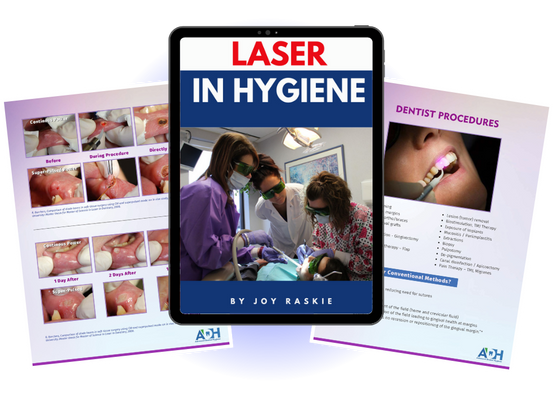
Modern dentistry in the United States is moving rapidly toward technology-driven, minimally invasive care. One of the most impactful advancements is laser-assisted dentistry, which allows clinicians to perform procedures with greater accuracy, comfort, and predictability. Among these innovations, structured diode laser dental training plays a key role in helping dental professionals deliver highly precise treatment while maintaining patient safety and clinical efficiency.
Understanding Precision in Modern Dental Care
Precision in dental procedures refers to the ability to target specific tissue areas without affecting surrounding structures. This is especially important in soft tissue management, where even minor errors can lead to discomfort, delayed healing, or aesthetic concerns. As patient expectations rise across the U.S., dentists are expected to provide treatments that are not only effective but also gentle and consistent.
Laser-based tools have transformed this expectation into reality by allowing focused energy delivery, controlled depth, and improved visibility during procedures.
How Laser Technology Enhances Clinical Accuracy
The controlled nature of a diode laser enables clinicians to work within extremely small treatment zones. Unlike traditional scalpels or electrosurgery units, laser energy can be finely adjusted based on tissue type and clinical need. This level of control reduces unintended tissue trauma and allows for clean, well-defined incisions.
When dentists understand how to calibrate power settings, pulse modes, and fiber positioning, they can achieve outcomes that are difficult to replicate with conventional instruments.
The Role of Structured Professional Training
Precision does not come from equipment alone—it comes from education. Comprehensive diode laser dental training teaches dentists how to translate technology into predictable clinical results. Training programs in the U.S. focus on:
- Tissue interaction principles
- Case selection and treatment planning
- Proper angulation and hand movement
- Energy control for different procedures
This structured learning ensures that clinicians use the technology intentionally rather than experimentally, which directly improves procedural accuracy.
Improved Soft Tissue Management
Soft tissue procedures such as gingivectomy, crown lengthening, frenectomy, and periodontal therapy demand a high degree of precision. With correct training, clinicians can use a diode laser to sculpt tissue cleanly while preserving surrounding anatomy. This precision results in minimal bleeding, reduced swelling, and faster healing times for patients.
For cosmetic dentistry, where symmetry and contour are critical, laser-guided accuracy significantly enhances aesthetic outcomes.
Reduced Human Error and Better Visibility
Another major benefit of laser-assisted procedures is enhanced visibility. Laser energy cauterizes as it works, keeping the surgical field dry and clear. This allows dentists to see exactly where they are working, reducing guesswork and hand fatigue.
When clinicians are trained to coordinate visual feedback with hand control, precision becomes more consistent across different procedures and patient profiles.
Consistency across a Wide Range of Procedures
Once mastered, laser techniques can be applied across multiple disciplines, from general dentistry to periodontal and cosmetic treatments. The predictable behavior of a diode laser allows dentists to replicate precise results from one patient to another, improving overall treatment quality and practice reputation.
Why Precision Matters for U.S. Dental Practices
In the U.S. healthcare environment, precision is closely tied to patient satisfaction, reduced chair time, and lower risk of post-operative complications. Patients increasingly value procedures that are comfortable, efficient, and minimally invasive. Dentists who invest in advanced training position themselves as providers of modern, high-standard care.
Precision is no longer optional in contemporary dentistry—it is a professional standard. Through proper education and hands-on experience, laser-based techniques allow dentists to work with greater confidence, control, and consistency. By mastering laser technology through structured training, dental professionals can elevate clinical outcomes, improve patient trust, and stay competitive in an evolving U.S. dental landscape. For clinicians seeking comprehensive, hands-on education that emphasizes safety, accuracy, and real-world application, Advanced Dental Hygiene stands out as a trusted provider of the best diode laser training, helping professionals confidently integrate advanced laser procedures into daily practice.